

Child Seat Rules Dubai | Complete Guide for Parents
Child Seat Rules Dubai: Complete 2026 Parent Guide
Child Seat Rules Dubai: Complete 2026 Parent Guide
09
March
Child Seat Rules Dubai | Complete Guide for Parents
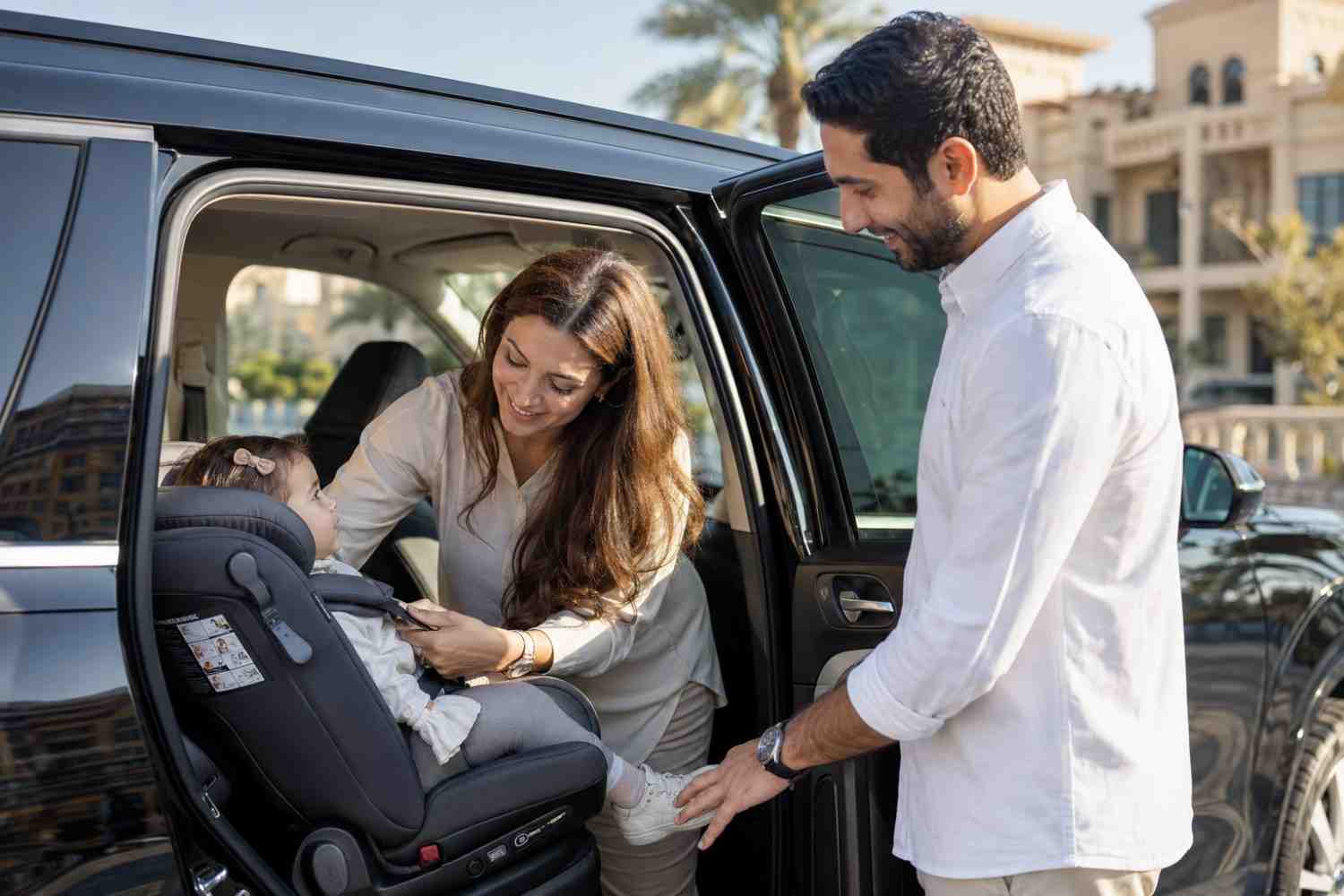
The first time I got pulled over in Dubai, it wasn't for speeding. It was because my toddler was sitting in the back seat with just a regular seatbelt looped around her, the way we'd always done it before moving here. The officer wasn't harsh, he just asked one question: Where is her seat? That single question sent me down a rabbit hole of RTA circulars, seat manuals, and eventually years of actually driving families around this city. It also taught me why choosing a monthly safe driver service matters for families who want consistent, responsible driving while making sure everyday journeys follow the child seat rules Dubai enforces. Getting those rules right isn't a nice-to-have; it's part of the job.
This guide is everything I wish someone had handed me that day: the legal requirements behind the child seat rules Dubai enforces, the fines, how to pick and fit the right seat, and the small mistakes that trip up even careful, well-meaning parents.
Dubai Child Car Seat Rules and Legal Requirements
The dubai child car seat rules trace back to the UAE's Federal Traffic Law, and unlike some countries where child restraint laws sit vaguely on the books, this one is enforced consistently at RTA and Dubai Police checkpoints across the city.
Who Must Use a Child Car Seat?
Every child aged four or younger travelling in a private vehicle needs an appropriate restraint system, full stop. It doesn't matter whether the drive is a two-minute hop to the grocery store or an hour-long trip to Al Ain, the rule applies for the entire journey. I hear "it's such a short trip" often enough that I've stopped being surprised by it, but that's exactly where a large share of preventable in-car injuries happen.
Who Is Responsible for Child Safety?
The legal weight sits with the driver, not whichever adult happens to be sitting beside the child. If you're behind the wheel, whether it's your own car, a rental, or you're doing the school run for a friend's kids, you're the one who answers for a missing or misused seat. This one catches out grandparents and part-time drivers more often than you'd expect.
Are the Rules Different in Dubai and Abu Dhabi?
Not in any meaningful way. Both emirates apply the same federal law, so the core numbers behind the dubai child seat rules, age four for a required seat, age 10 and 145 cm for the front seat, AED 400 for a violation, stay identical wherever you're driving. What shifts slightly is enforcement intensity; Dubai tends to run more visible campaigns around school terms and public holidays.
When Can a Child Sit in the Front Seat in Dubai?
This is the question I field constantly from tourists in two-door rentals and families with just one child who assume the front seat becomes fair game once a kid "looks old enough."
Front Seat Age and Height Requirement
The UAE legislation states that a child may sit in the front only when they are over 10 years old or at least 145 cm tall; it also requires dedicated protection seats for children aged four or younger where rear seats are available. Both benchmarks effectively need to be met, and enforcement typically applies whichever threshold is stricter at that moment.
Why Children Should Usually Travel in the Rear Seat
Meeting the legal minimum doesn't necessarily mean it's the smartest seat in the car. Most road safety specialists I've talked to still push for keeping kids in the back until closer to 12, since the rear seat sits further from a frontal impact and clear of an active airbag, which can hurt a smaller child even while doing exactly what it's built to do. If you do move a child up front once they qualify, slide the seat back as far as it goes and check that the belt runs across the shoulder and hip, not the throat.
Child Car Seat Types by Age and Size
Walking into a Dubai baby store for the first time can feel like standing in front of a wall of near-identical boxes. Here's how each type actually lines up with your child's stage.
Rear-Facing Infant Car Seats
Built for newborns up to roughly 12–15 months depending on the model, rear-facing seats spread crash force across the back and shoulders instead of the neck. This is why paediatricians and RTA guidance both encourage parents to hold off switching directions for as long as the seat's limits allow.
Forward-Facing Car Seats
Once a toddler outgrows the rear-facing limits, a forward-facing seat with a five-point harness takes over, generally covering ages one through four. This stage sits at the heart of the child seat rules Dubai enforces for children under four.
Convertible Car Seats
Convertible seats shift from rear-facing to forward-facing as your child grows, which works well in a city where families bounce between a personal car, a rental, and the odd taxi. We moved to a convertible seat purely for that reason, one seat, one manual, instead of juggling two separate purchases and reading two sets of instructions.
Booster Seats
Once a child moves past the harnessed stage, usually around age four, a booster raises them so the seatbelt sits across the chest and hips instead of the neck and stomach. It's typically needed until the child clears 145 cm or turns 10.
When Is a Seat Belt Enough?
Only once both conditions are met: height of 145 cm and age 10. Even then, check the fit. If the belt crosses the neck or rides up over the stomach instead of the hips, the child probably still needs a booster no matter their birth date.
How to Choose the Right Car Seat in Dubai
Choosing the right seat is where the dubai child car seat rules actually get put into practice, since the law expects the correct seat for your child's current stage, not just any seat in the car. This step matters just as much as knowing the child seat rules Dubai sets out on paper.
Check Your Child's Age, Weight and Height
Every seat lists a weight and height range on the box, not just an age bracket. Measure your child directly rather than estimating from their birthday, growth varies a lot between kids.
Check Safety Certification and Standards
Look specifically for ECE R44/04 or the newer ECE R129 (i-Size) certification before buying anything. The Emirates Authority for Standardisation and Metrology requires this for any seat legally sold in the UAE, and it's the quickest way to rule out unsafe seats sold through informal online listings.
Make Sure the Seat Fits Your Vehicle
Not every seat suits every car. Some SUVs and older sedans have shallower back seats that leave bulkier convertible seats sitting at an awkward recline angle. Test the seat in your own car, or your rental, before committing.
Follow the Manufacturer's Instructions
It sounds basic, but most installation errors I've come across start with skipping the manual and guessing instead. Strap routing and recline angles differ from seat to seat, even within the same brand.
How to Install a Child Car Seat Correctly
Buying the right seat is only half the equation. A large portion of roadside checks under the dubai child seat rules flag seats that are the correct type but installed loosely enough to offer little real protection.
ISOFIX vs Seat Belt Installation
Most newer cars in Dubai come fitted with ISOFIX anchor points, which lock the seat base directly into the chassis and remove much of the guesswork that comes with threading a seatbelt through the frame. This is especially useful when arranging a school driver service, as a properly secured child seat adds another layer of safety to the daily school run. Use it if your car has it. If not, a properly threaded seatbelt installation is still fully compliant, it just needs a firmer double-check afterward.
Harness and Buckle Checks
Once the seat is installed, run the "pinch test": try pinching the harness strap at the shoulder. If you can gather excess fabric between your fingers, it's too loose. The chest clip should sit level with the armpits, not the belly or the neck.
Common Installation Mistakes to Avoid
- Leaving the harness loose after a growth spurt
- Installing a rear-facing seat at the wrong recline angle
- Forgetting to remove bulky jackets before buckling in cooler months
- Reusing a seat that's already been in an accident
- Not anchoring the seat tightly enough, leaving more than an inch of side-to-side movement
Child Seat Safety Tips for Everyday Dubai Driving
Sticking to the child seat rules Dubai lays out on paper is one thing, building daily habits that keep you compliant without thinking about it is another:
- Treat school runs and quick errands with the same care as long drives, most incidents happen close to home
- Keep the seat in the rear, centred if the car allows it
- Never hold a child on your lap while driving, not even for "just a second"
- Check harnesses and buckles at the start of every week, not just at initial setup
- Swap out the seat after any collision, even a minor one, since internal damage isn't always visible
RTA specifically advises checking the harness, buckles and fastenings, testing vehicle compatibility before purchase, and replacing the seat after a collision. None of this is bureaucratic box-ticking, it comes straight from real crash data.
Child Seat Rules for Taxis, Rental Cars and Ride-Hailing
This is where I get the most questions from visitors, because the dubai child car seat rules don't pause just because you're not driving your own car.
Travelling With a Child in a Taxi
Standard Dubai taxis don't usually carry a child seat as default equipment, so you'll need your own or a specific request through a ride-hailing app that offers one. Several platforms now let you add a child seat at checkout, which beats risking a fine, or worse, an unsecured child on the road.
Child Seats in Rental Cars
Most rental companies in Dubai offer child seats for an extra daily charge, and I'd book that ahead of time during peak tourist season, since stock disappears fast around school holidays. Check the rental seat's straps and buckles yourself before your first drive; these seats see a lot of rotation between guests.
What Parents Should Do When a Car Seat Is Unavailable
If a seat genuinely isn't available on short notice, don't drive with the child unrestrained as a stopgap. Wait, book with a provider that guarantees one, or use a family driver service that keeps compliant seats ready to go. Even if you're booking a corporate driver for regular work travel, choosing a provider that understands the child seat rules Dubai enforces can make family journeys easier too. This is one spot where hiring a driver who already knows the requirements removes the guesswork entirely the seat, the fit, and the compliance check are sorted before you even get in.
Dubai Heat and Child Car SafetyWhy Children Are at Risk in Hot Vehicles
A parked car in Dubai's summer sun can pass 60°C inside within minutes, cracked windows barely slow it down. A child's body heats up far faster than an adult's, which makes this one of the most dangerous, and most preventable, risks parents face in this climate.
Never Leave a Child Alone in a Parked Car
Not for a "two-minute errand," not with the engine idling, not ever. Build the habit of physically checking the back seat every time you step out, some parents leave a phone or wallet in the back specifically to force that check.
Fines and Penalties for Breaking Child Seat Rules
Enforcement is a big part of why the child seat rules Dubai has in place actually get followed, rather than staying a suggestion on paper. Understanding the dubai child car seat rules around penalties also helps you budget for the worst case if you're ever caught off guard.
Fine for Not Using a Required Child Seat
RTA reported that transporting children aged four or under without an appropriate protection seat carries a AED 400 fine, while violating the front-seat restriction also carries a AED 400 fine. Both come with four black points added to the driver's licence.
Front Seat Violations
Seating a child under 10, or under 145 cm, in the front is treated the same as skipping the child seat altogether: AED 400 and four black points, whether the car was crawling through traffic or on the highway at the time.
What Happens When the Rules Are Broken?
Beyond the immediate cost, repeat violations chip away at your driving record and, in serious cases, contribute toward point accumulation that risks suspension. The bigger picture is that unrestrained children face dramatically higher injury risk in even minor collisions, the fine is really the secondary concern here.
Common Child Car Seat Mistakes Parents Make
Even parents who know the dubai child seat rules well still slip on the details, since staying compliant takes more than a one-time read of the requirements. These are the mistakes I see most often:
- Choosing a seat based on price or looks instead of the child's actual weight and height range
- Installing the seat loosely enough that it shifts more than an inch
- Leaving the harness at the same tightness for months without adjusting for growth
- Switching to a booster, or a seatbelt alone, before the child is actually ready
- Using an old or second-hand seat with an unknown accident history
- Treating short trips across town as low-risk enough to skip proper restraint
Child Seat Safety Checklist Before Every Journey
A short routine goes a long way toward staying inside the dubai child car seat rules without having to think it through every single time. It's a habit worth building alongside everything else the dubai child seat rules ask of you.
2-Minute Pre-Drive Check
Before pulling out: confirm the harness is snug, the chest clip sits at armpit level, the seat doesn't shift when pushed side to side, and there's nothing bulky, like a winter jacket, between the child and the harness.
Weekly Car Seat Inspection
Once a week, check the straps for fraying, make sure the buckle clicks cleanly, and confirm the recline angle still matches your child's current weight bracket, especially right after a growth spurt.
Frequently Asked Questions About Child Seat Rules Dubai
These are the questions parents ask most often once they've read through the dubai child seat rules and just want the short version.
Is a child car seat mandatory in Dubai?
Yes. Any child aged four or under must be secured in a certified child restraint seat whenever travelling by car in Dubai and across the UAE.
What age does a child need a car seat in Dubai?
A dedicated car seat is required from birth until around age four, after which a booster seat takes over until the child reaches 145 cm or turns 10.
Can a child sit in the front seat in Dubai?
Only once they're over 10 years old and at least 145 cm tall. Both conditions need to be met, not just one or the other.
What is the fine for not using a child car seat in Dubai?
AED 400, plus four black points added to the driver's licence.
When can a child use a booster seat?
Once they outgrow their forward-facing harnessed seat, typically around age four, and until the vehicle's seatbelt fits them correctly on its own.
Are child seat rules the same across the UAE?
Yes. The core requirements come from federal law, so the dubai child seat rules match what's enforced in Abu Dhabi, Sharjah, and the other emirates, though local enforcement campaigns can vary in intensity.
Can children travel in Dubai taxis without a car seat?
The same restraint requirements apply in taxis and ride-hailing vehicles as in private cars. Request a child seat option at booking, or bring a portable one along.
What is the safest car seat for a baby in Dubai?
An ECE R44/04 or ECE R129 (i-Size) certified rear-facing seat that actually fits your car, kept rear-facing for as long as the seat's weight and height limits allow.
Quick Answer: What Are the Child Seat Rules in Dubai? The short version of the child seat rules Dubai applies is this: any child aged four or under must ride in a certified child restraint seat, in every vehicle, in every emirate. A child cannot sit in the front passenger seat until they're over 10 years old and at least 145 cm tall, whichever condition is stricter at the time. The driver, not the parent in the back seat, carries legal responsibility for compliance. Breaking either rule brings a fine of AED 400 and four black points on the licence. That's the headline. The parts that actually matter once you're strapping a squirming three-year-old into a moving car are below.
Age, Height and Size Requirements The child seat rules Dubai families need to plan around blend age with height and weight, since children don't all grow at the same pace. As a working framework: Under age four: a dedicated child restraint seat matched to the child's current weight and stage Age four to ten, or under 145 cm: a booster seat that positions the adult belt correctly across the body Past both age 10 and 145 cm: a standard seatbelt is considered sufficient on its own
Latest Blogs